We are supported by our audience. When you purchase through links on our site, we may earn an affiliate commission, at no extra cost for you. Learn more. Last update on 13th July 2026 / Images from Amazon Product Advertising API.
You’ll need an airtight container, kitchen sponge, acrylic palette paper, and water to create your wet palette. Cut the sponge to fit your container’s base, then soak it with 70-150ml of cold water and wring out excess moisture. Place the damp sponge inside and lay palette paper over it, smoothing out air bubbles. This setup keeps your miniature paints workable for weeks while enabling superior blending techniques and reducing waste during extended painting sessions.
Notable Insights
- Use an airtight container with raised edges, damp kitchen sponge, and acrylic palette paper for basic wet palette construction.
- Trace and cut foam to fit container, soak in cold water, wring out excess, and place inside sealed container.
- Layer hydration sheet over damp foam, smooth out air bubbles, and add 70-150ml water based on palette size.
- Keep foam saturated without submerging palette surface and leave lid slightly ajar between sessions to prevent mold growth.
- Replace palette paper regularly, clean foam pads, and monitor moisture levels to maintain optimal paint consistency and longevity.
Essential Materials for Your DIY Wet Palette
Five essential components form the foundation of any effective DIY wet palette for miniature painting. Your material selection begins with an airtight container-shallow Tupperware or repurposed food packaging boxes work perfectly. The container must feature raised edges and a secure seal to maintain humidity for up to a week.
A proper airtight container with raised edges and secure sealing forms the crucial foundation for any successful DIY wet palette setup.
Next, you’ll need a moisture sponge. Kitchen sponges suffice, but specialized wet palette sponges like Masterson brand offer superior water retention and longevity. The sponge should fit snugly in your container’s base. Grey sponges are particularly effective as they provide enhanced color visibility when working with various paint types.
Acrylic palette paper serves as your painting surface, providing semi-permeable moisture transfer while preventing color mixing. Non-silicone baking parchment works as an alternative but tears easily. High-permeability papers with 200+ GSM prevent acrylic drying for 8+ hours compared to standard options that only provide 2 hours of workability. Before use, the acrylic sheet requires 10 minutes soaking in warm water to properly activate its moisture-retention properties.
For cost comparison, commercial wet palettes cost $15-30, while DIY versions typically run under $10 using household materials. A properly maintained wet palette enables multiple thin coats, which are crucial for achieving high-quality miniature painting results. Quality wet palettes can reduce paint waste by 60-80% compared to traditional dry palettes, making them essential for miniature painting efficiency.
Step-by-Step Assembly Instructions
Building your wet palette requires three main assembly phases that you’ll complete in sequence: preparing the moisture base, installing the hydration layer, and calibrating water levels.
Start by tracing your container’s outline onto foam, cutting just within the lines for proper fit. Soak the foam completely in cold water, then wring moderately-damp but not dripping. Place it flat inside your container.
Next, lay one hydration sheet over the damp foam. Wait several seconds for moisture absorption, then smooth out air bubbles with your fingers. These assembly techniques guarantee even water distribution.
For water calibration, use 70-150ml depending on palette size. Adjust based on humidity and foam absorption. Allow the hydration paper edges to curl naturally during the initial absorption process. The step by step instructions conclude with confirming no trapped air exists underneath your hydration layer.
Key Advantages for Miniature Painters
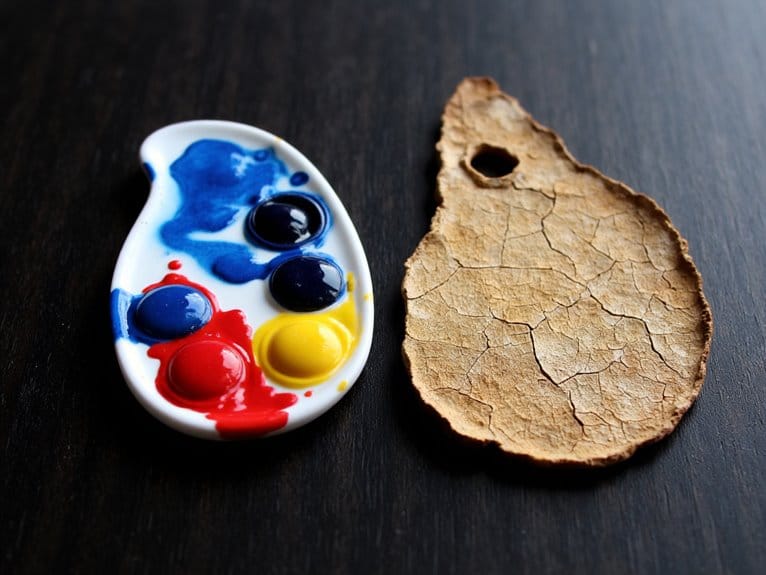
A wet palette transforms miniature painting by addressing the fundamental challenge of acrylic paint’s rapid drying time.
Paint hydration prevents polymerization, keeping your colors workable for days or weeks instead of minutes.
Here are four key advantages you’ll experience:
- Extended Paint Longevity – Your paints stay fresh for weeks, eliminating waste from dried-out colors on standard palettes. High-pigment formulas deliver vibrant colors that maintain their intensity even with extended hydration periods.
- Superior Blending Techniques – Wet blending becomes effortless when paint maintains consistent fluidity, enabling smooth gradients and shifts. Techniques like wet blending and layering enhance painting quality and deliver professional results on miniature surfaces.
- Enhanced Color Consistency – Pre-mixed colors preserve their exact hue, ensuring uniform shades across multiple miniatures during batch painting sessions. Water-based formulas work particularly well with wet palettes since they maintain optimal consistency without separation.
- Improved Workflow Efficiency – You can pause and resume painting without remaking color mixes, reducing interruptions and maintaining creative momentum throughout extended sessions.
When securing finished miniatures to their bases after painting, precision applicator tips ensure controlled glue placement without damaging your detailed paintwork.
Proper Maintenance and Care Tips
While a wet palette offers remarkable paint longevity, proper maintenance determines whether your investment lasts months or deteriorates within weeks. Effective moisture control requires maintaining water levels so your foam pad stays fully saturated without submerging the palette surface.
Monitor humidity conditions and adjust water amounts based on your climate and painting frequency.
Mold prevention demands leaving the lid slightly ajar between sessions rather than sealing tightly. Never store a wet palette completely closed for extended periods. If mold appears, discard all components immediately and thoroughly sanitize the case before replacing materials.
Clean your foam pad and membrane regularly when paint residue accumulates. Replace palette paper frequently to prevent clogging.
Store spare membranes in sealed containers to maintain cleanliness and readiness for quick replacement during painting sessions.
Alternative Options and Customization Ideas
Creativity flourishes when you’re not locked into commercial wet palette designs. You can customize your setup using alternative materials that often perform better than store-bought options.
Container alternatives and customization ideas include:
- Palette paper substitutes – Acrylic palette paper offers superior durability compared to parchment, while specialized wet palette refill papers provide consistent performance for detailed miniature work.
- Moisture layers – Kitchen sponges work effectively as water reservoirs, though foam sheets provide longer-lasting hydration with better weight distribution.
- Custom containers – Airtight food storage containers cost less than commercial palettes while maintaining humidity for up to one week.
- Eco friendly options – Reusable acrylic sheets and natural cellulose sponges reduce waste while cutting operational costs considerably.
Troubleshooting Common Setup Errors
Even experienced painters encounter setup issues that compromise wet palette performance, and identifying these problems early prevents wasted paint and frustration during detail work.
Foam moisture levels require careful balance-overly wet foam creates surface pooling, while dry foam needs five-minute soaking and thorough wringing. Water quantity affects paint consistency considerably. Excess water liquefies paint, insufficient amounts cause rapid drying. Start with 70-150ml depending on palette size, adjusting for humidity control needs.
Achieving optimal foam moisture is critical-too wet causes pooling, too dry requires extended soaking and careful water management.
Membrane placement demands precision-wrinkles create uneven moisture distribution and paint clumping. Lay hydration sheets gently without disturbance during use.
Regular maintenance prevents contamination and bacterial growth. Clean membranes after sessions, inspect foam absorbency, and replace damaged components.
Proper paint management includes using secondary pools and allowing moisture absorption before mixing.
Best Practices for Long-Term Use
Since proper maintenance determines whether your wet palette remains functional for months or fails within weeks, establishing consistent care routines becomes essential for sustained miniature painting success.
Effective moisture management requires balancing hydration levels with environmental conditions. Store your palette in cool environments to slow evaporation rates. Replace foam when absorbency decreases or mold appears.
Follow these maintenance protocols for ideal paint longevity:
- Clean components weekly using mild, non-toxic cleaners to prevent residue buildup.
- Replace palette paper regularly to maintain proper moisture transfer and hygiene standards.
- Dry all parts thoroughly before extended storage to prevent microbial growth.
- Monitor foam condition and replace when water retention becomes uneven.
Professional-grade palettes with tight-fitting lids and mold-resistant materials extend operational lifespan considerably. Consistent care prevents costly replacements while maintaining paint workability.
On a final note
You’ve now mastered wet palette construction and maintenance. Your setup will extend paint working time from 10-15 minutes to several hours. Regular parchment replacement every 2-3 days prevents bacterial growth. Monitor water levels daily to maintain ideal moisture transfer. Clean your container weekly with mild soap solution. This tool reduces paint waste by 60-70% while improving color blending consistency. You’ll achieve smoother gradients and cleaner line work on your miniatures.